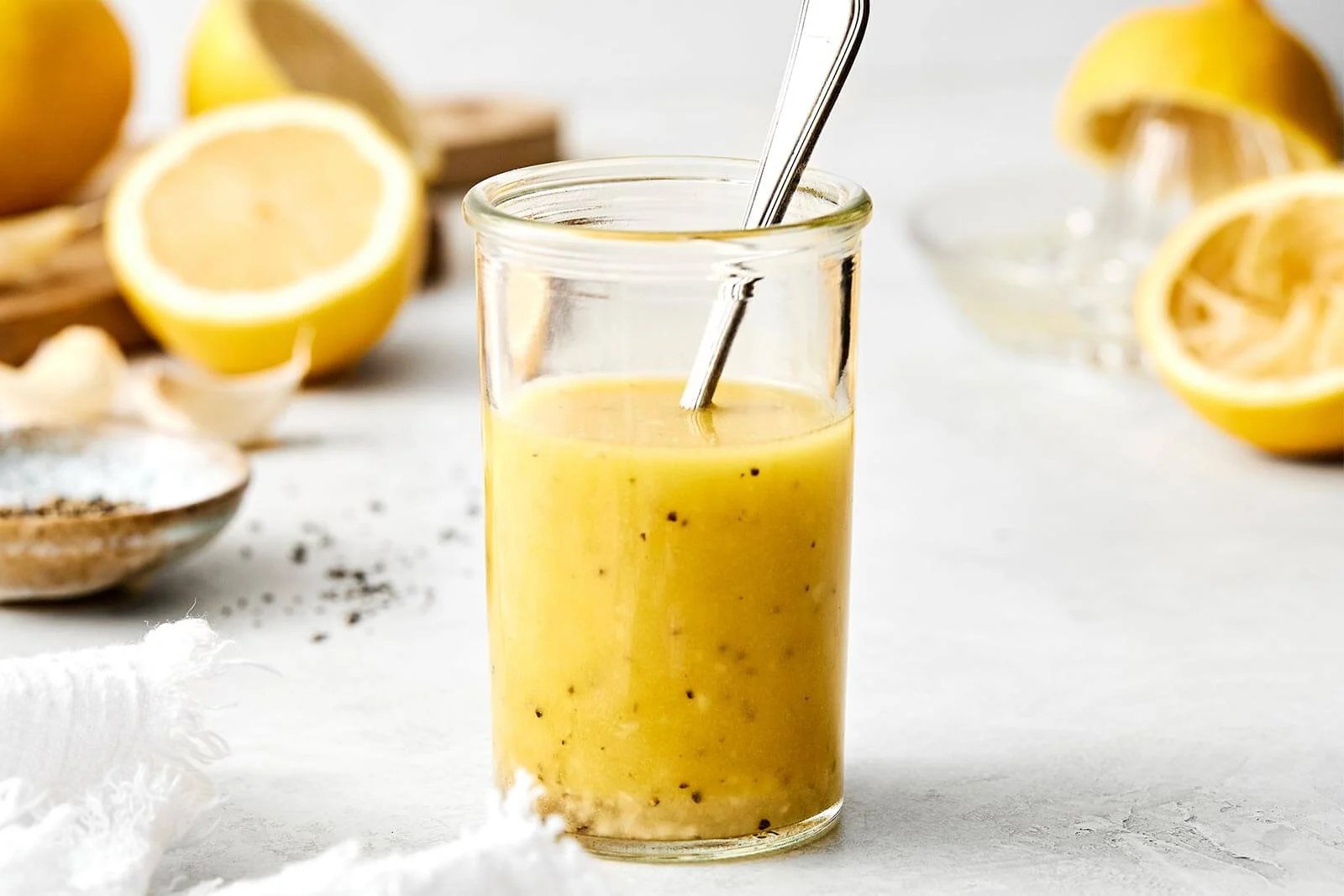
Make Your Own Lemon Vinaigrette: Healthier & Preservative-Free
Tired of lacklustre salads and store-bought dressings laden with unpronounceable ingredients? It's time to elevate your culinary game with a simple, vibrant, and incredibly healthy homemade lemon vinaigrette. This tangy, citrusy concoction isn't just a dressing; it's a game-changer that transforms even the most mundane greens into a delightful culinary experience. If you, like us, are captivated by the bright, sweet-tart essence of lemons, prepare to fall in love with your new favourite
Easy Homemade Lemon Vinaigrette: Fresh & Tangy Salads that you’ll want to drizzle on everything.
Why Homemade Lemon Vinaigrette Reigns Supreme
The allure of a homemade salad dressing, especially a fresh lemon vinaigrette, extends far beyond its delicious taste. While the convenience of a bottled dressing might seem appealing, the benefits of crafting your own are truly unparalleled.
*
Unrivalled Freshness and Flavor: Store-bought dressings often sit on shelves for months, their vibrant flavours dulled by time and preservatives. A homemade lemon vinaigrette, made with fresh ingredients, delivers an explosion of flavour that commercial versions simply can't replicate. The bright zing of fresh lemon, the punch of garlic, and the rich earthiness of olive oil come alive in a way that truly enhances your salad.
*
Complete Ingredient Control: This is arguably the most significant advantage. When you prepare your own dressing, you have absolute authority over what goes into your food. No hidden sugars, no artificial colours, no unwanted emulsifiers, and most importantly, no unnecessary preservatives. This allows you to tailor your dressing to specific dietary needs, allergies, or health goals, making it a healthier choice for you and your family.
*
Cost-Effective: While a bottle of dressing might seem cheap, the cost per serving often adds up. Most of the ingredients for a lemon vinaigrette are pantry staples you likely already have, or can purchase affordably in bulk. This makes homemade dressing a much more economical option in the long run.
*
Customization to Your Palate: Are you a fan of extra tang? Prefer a touch more sweetness? Want to dial up the garlic? With a homemade lemon vinaigrette recipe, you are the chef. You can adjust ratios and add unique flourishes to create a dressing that perfectly matches your personal taste preferences. This adaptability is something no store-bought product can offer.
The Magic Behind the Tang: Essential Ingredients for Your Lemon Vinaigrette
One of the most appealing aspects of creating your own lemon vinaigrette is the simplicity of the ingredients. You'll find most of these staples readily available in your pantry, making this a truly accessible recipe.
- Extra Virgin Olive Oil (EVOO): This forms the rich, foundational base of your vinaigrette. Opt for a good quality EVOO for its robust flavour and health benefits. If you don't have EVOO, any mild-flavoured oil like grapeseed, avocado, or sunflower oil can work, but ensure it's relatively mellow and won't overpower the delicate lemon notes.
- Fresh Lemon Juice and Zest: The undisputed star of the show! Freshly squeezed lemon juice provides the characteristic bright acidity and tang, while the zest, packed with aromatic oils, delivers an intense citrusy perfume that elevates the entire dressing. Always use fresh lemons – bottled juice simply won't yield the same vibrant flavour.
- Dijon Mustard: More than just for flavour, Dijon mustard acts as a crucial emulsifier, helping the oil and vinegar come together into a creamy, stable dressing rather than separating. It also contributes a delightful tangy, slightly spicy depth.
- Red Wine Vinegar: Providing an additional layer of sharp acidity, red wine vinegar gives the vinaigrette its characteristic "bite." For a slightly milder or different flavour profile, you could experiment with white wine vinegar or apple cider vinegar.
- Honey (or other sweetener): A touch of sweetness is essential to balance the bright acidity of the lemon juice and vinegar. Honey adds a lovely floral note, but maple syrup or agave nectar are excellent vegan alternatives.
- Fresh Garlic: A single clove of finely minced garlic infuses the dressing with an aromatic warmth and subtle pungency. Fresh is always best here; garlic powder won't deliver the same fresh punch.
- Salt and Freshly Ground Black Pepper: These fundamental seasonings enhance and round out all the other flavours, bringing them into perfect harmony.
- Fresh Herbs (Optional but Recommended): While the classic recipe shines on its own, adding a tablespoon of freshly minced herbs like oregano (as suggested by many), thyme, dill, or parsley can introduce another layer of complexity and freshness.
Whipping Up Your Perfect Lemon Vinaigrette: A Foolproof Method
You'll be amazed at how quickly and effortlessly this delightful dressing comes together. Forget complicated steps or fancy equipment; simplicity is key here.
1.
Prep Your Lemon: Start by zesting your lemon. Remember to only take the bright yellow outer layer, avoiding the white pith underneath, which can be bitter. Then, halve the lemon and squeeze out the fresh juice.
2.
Combine Wet Ingredients: In a jar with a tight-fitting lid (a Mason jar is ideal) or a medium-sized bowl, combine the fresh lemon juice, lemon zest, red wine vinegar, Dijon mustard, minced garlic, and honey (or chosen sweetener).
3.
Season and Mix: Add salt and freshly ground black pepper to taste. If using fresh herbs, stir them in now. Whisk these ingredients vigorously until well combined. If using a jar, simply screw on the lid and shake well.
4.
Emulsify with Oil: Slowly drizzle in the extra virgin olive oil while continuously whisking or shaking the jar. This gradual addition helps the oil and acid emulsify properly, creating a smooth, cohesive dressing. Continue until all the oil is incorporated and the dressing appears creamy and uniform.
5.
Taste and Adjust: This is a crucial step! Dip a spoon into your freshly made lemon vinaigrette and taste it. Does it need more salt? More pepper? A little more sweetness to balance the tang? Adjust the seasonings to your liking. If it tastes too acidic, whisk in a touch more oil.
Mastering Your Mix: Troubleshooting & Customization Tips
Even though making homemade lemon vinaigrette is straightforward, a few common issues can arise, and knowing how to tweak your recipe can take it from good to absolutely phenomenal.
Addressing Bitterness in Your Vinaigrette
If your dressing has a bitter undertone, it’s usually due to one of two reasons:
- The Pith Problem: As mentioned, the white part of the lemon peel, called the pith, contains bitter compounds. When zesting, be mindful to only grate the bright yellow outer layer. If you accidentally get some pith, it can impart an unwelcome bitterness.
- Acid Overload: Too much lemon juice or vinegar relative to the oil can make the vinaigrette overly acidic, which can register as bitter on some palates. If this happens, simply whisk in a bit more olive oil (a tablespoon at a time) to mellow it out and rebalance the flavours. A tiny pinch more sweetener can also help.
Customizing Your Lemon Vinaigrette Recipe
The beauty of a homemade dressing lies in its adaptability. Don't be afraid to experiment!
- Herb Variations: Beyond oregano, consider finely chopped fresh rosemary, thyme, chives, or a mix of Italian parsley and basil. Each herb brings its unique aromatic profile.
- Spice It Up: For a subtle kick, add a pinch of red pepper flakes or a dash of smoked paprika.
- Sweetener Alternatives: If you're not a fan of honey, maple syrup or agave nectar work beautifully. For a sophisticated touch, a tiny splash of balsamic glaze can add a darker sweetness.
- Garlic Intensity: For a milder garlic flavour, you can roast the garlic clove before mincing it, or grate it on a microplane for a finer texture that disperses more evenly.
- Mustard Choices: While Dijon is classic, a coarse-grain mustard can add a textural element and a different kind of pungency.
Storing Your Homemade Lemon Vinaigrette for Optimal Freshness
One of the great things about this
Quick Lemon Vinaigrette: 4-Ingredient Recipe & Storage Tips is its impressive shelf life, especially compared to dairy-based dressings.
*
Airtight is Key: Always store your lemon vinaigrette in an airtight container, preferably glass. The Mason jar you used to mix it is perfect – simply pop the lid back on and place it in the fridge, minimizing extra dishes.
*
Refrigeration Required: Due to its fresh ingredients, homemade lemon vinaigrette must be stored in the refrigerator.
*
Shelf Life: Because it contains no dairy, this vinaigrette can safely be used for up to two weeks when stored properly. Always give it a quick sniff test if you're unsure.
*
Olive Oil Solidification: Don't be alarmed if your vinaigrette appears cloudy or has solidified slightly after spending time in the fridge. This is completely normal and simply a characteristic of olive oil at cold temperatures. To restore it to its liquid state, simply let it sit at room temperature for 15-30 minutes, or gently warm the container in a bowl of warm water for a few minutes. Give it a good shake or whisk before serving to re-emulsify.
Conclusion
Making your own lemon vinaigrette recipe is more than just a culinary task; it's a step towards healthier eating, more flavourful meals, and a deeper connection to the food you consume. With its bright, tangy profile and endless customization possibilities, this simple dressing will quickly become a staple in your kitchen. Say goodbye to dull salads and artificial ingredients, and embrace the vibrant, fresh taste of homemade goodness. Give this recipe a try, and discover the delicious difference it makes!